
Introduction
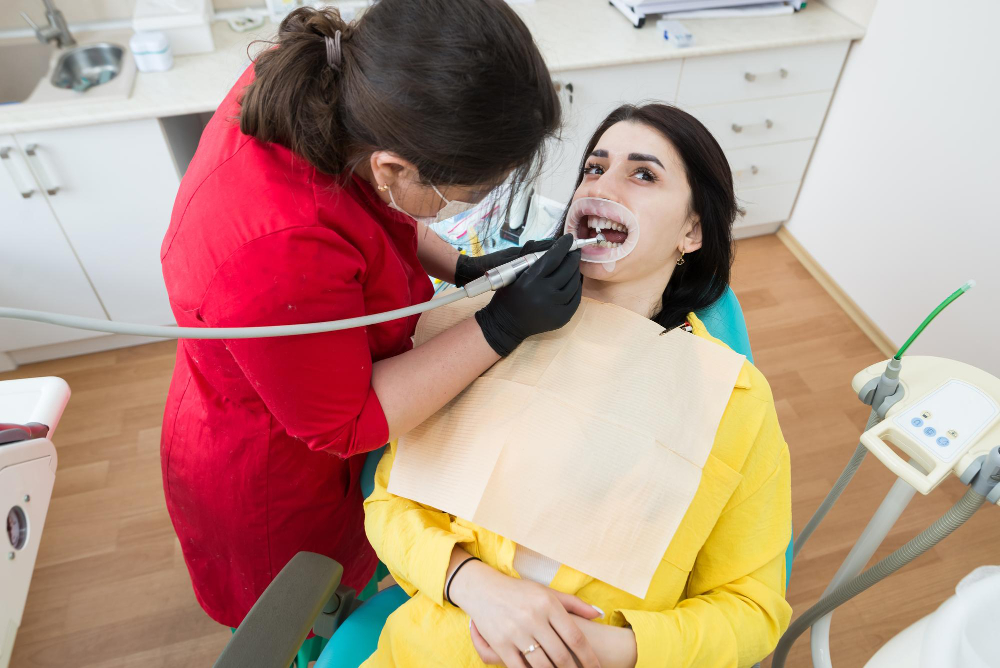
Many people worry about root canal treatments. However, single sitting RCT, also called one visit root canal treatment, makes the process easier. In this method, your dentist completes the root canal in just one visit. This approach saves time and often reduces discomfort. Because of these benefits, more patients now ask for single sitting RCT. Dentists use this method when it is safe and effective for your tooth. According to dental studies, single sitting RCT can be as successful as traditional methods.
Symptoms and Indications
Sometimes, your tooth may need a root canal. But how do you know when single sitting RCT is needed? Watch for these signs:
If you notice these symptoms, visit your dentist soon. Early care can prevent more problems. In many cases, dentists recommend single sitting RCT for these issues.
Causes
There are several reasons why a dentist may suggest single sitting RCT. For example, deep tooth decay can reach the nerve inside your tooth. Sometimes, a cracked or injured tooth allows germs to enter. Infections or abscesses may also make this treatment necessary. Additionally, dentists may choose single sitting RCT if your tooth is not too badly infected. This method is also helpful for patients who want quick relief or have busy schedules.
Diagnosis
First, your dentist will check your mouth and ask about your symptoms. Next, they may take X-rays to see the inside of your tooth. These images help spot infection or damage. After that, your dentist will test the tooth’s response to hot, cold, or pressure. If the nerve is affected but the infection is not severe, single sitting RCT may be possible. Dentists follow guidelines from trusted sources like the American Association of Endodontists to decide the best treatment.
Procedure Overview
Single sitting RCT is a step-by-step process. Here is what usually happens:
Because all steps happen in one visit, you spend less time at the clinic. Most patients find the process comfortable and quick. Many people call this a painless root canal because of modern tools and numbing medicines.
Benefits and Risks
Single sitting RCT offers many advantages. For instance, you need only one appointment. This saves time and reduces stress. Also, there is less risk of germs entering the tooth between visits. Other benefits of single sitting RCT include:
However, there are some risks. In rare cases, the infection may be too severe for one visit. Sometimes, swelling or pain can last longer. Your dentist will check if you are a good candidate for this treatment. According to dental journals, most patients recover well after single sitting RCT.
Recovery and Aftercare
After the procedure, you may feel mild pain or swelling. Usually, this goes away in a few days. To help healing, follow your dentist’s advice. For example, you can:
If you notice severe pain, swelling, or fever, contact your dentist right away. Most people return to normal activities quickly after a single sitting root canal.
Prevention Tips
Although single sitting RCT is effective, it is better to prevent tooth problems. Here are some tips to keep your teeth healthy:
By following these steps, you can lower your risk of needing root canal treatment in the future.
Conclusion
In summary, single sitting RCT is a safe and effective way to treat infected teeth in one visit. It offers many benefits, such as less pain and faster recovery. However, only a dentist can decide if this treatment is right for you. Consult Dr. Naren N Dental to find out if single sitting RCT is right for you.