
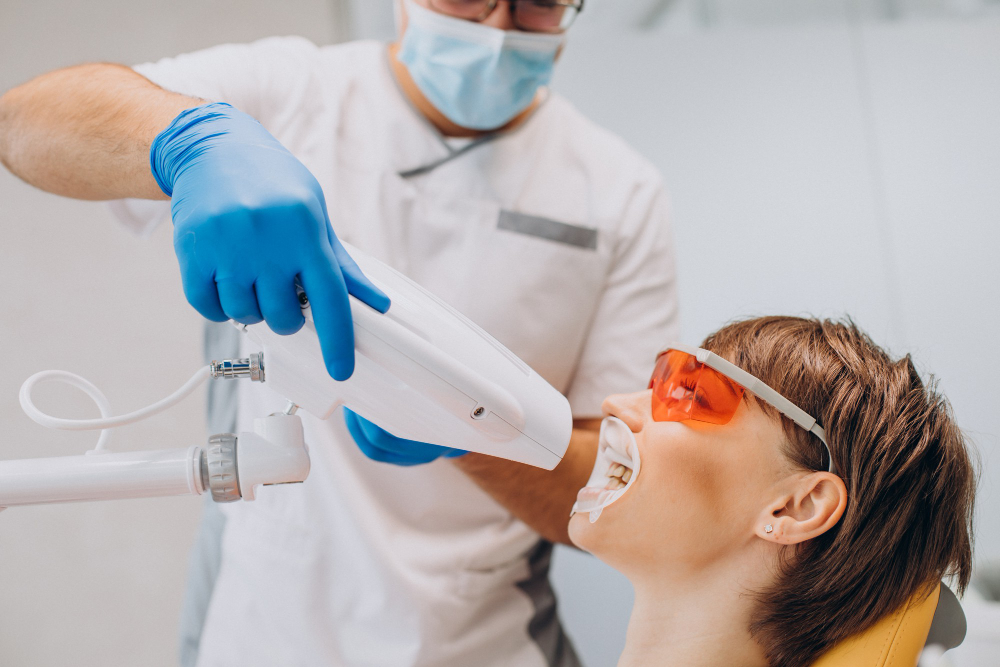
What Is Teeth Bleaching?
Teeth bleaching is a popular way to make your smile brighter. In fact, many people choose this treatment to remove stains and lighten tooth color. Usually, teeth bleaching uses safe chemicals to break down stains on the tooth surface. Professional teeth whitening is often done at a dental clinic, but some people use at-home kits. However, dentists recommend professional teeth bleaching for the best and safest results.
Benefits of Teeth Bleaching
There are many reasons people choose teeth bleaching. For example, it can:
Additionally, professional teeth whitening is quick and gives fast results. Most people see a difference after just one visit.
Who Is a Good Candidate?
Not everyone is a good fit for teeth bleaching. Still, many adults can benefit. You may be a good candidate if you:
On the other hand, teeth bleaching may not work well for people with crowns, fillings, or very dark stains. Therefore, it is best to ask your dentist before starting any whitening treatment.
Step-by-Step Bleaching Procedure
Professional teeth bleaching is safe and simple. Here is what you can expect:
Most people need only one or two visits for noticeable results. However, your dentist may suggest more sessions for deeper stains.
Common Risks and Side Effects
Teeth bleaching is safe when done by a professional. Still, some people may notice mild side effects. For example:
Usually, these side effects go away within a few days. If you notice severe pain or lasting problems, contact your dentist right away. According to the American Dental Association, professional teeth whitening is safe for most people when used as directed.
Aftercare Tips for Lasting Results
After teeth bleaching, you will want to keep your smile bright. Here are some tips to help you maintain white teeth:
Additionally, your dentist may suggest safe teeth whitening methods for touch-ups at home. Always follow their advice for the best results.
Prevention of Tooth Discoloration
While teeth bleaching can remove stains, it is important to prevent new ones. You can help keep your teeth white by:
With these habits, you can enjoy a brighter smile for longer.
Conclusion
Teeth bleaching is a safe and effective way to brighten your smile. However, it is important to choose professional teeth whitening for the best results. If you want to know if teeth bleaching is right for you, consult a dental professional at Dr. Naren N Dental for personalized advice.