
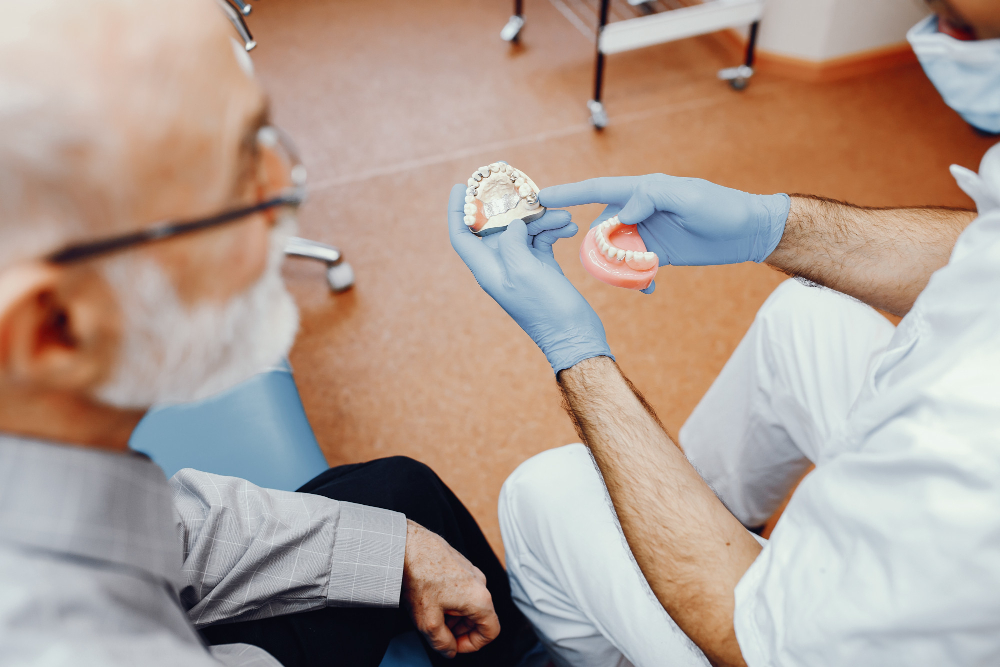
What is a Fixed Partial Denture (FPD)?
Fixed Partial Dentures (FPD) are also called dental bridges. They are used to replace one or more missing teeth. Unlike removable dentures, FPDs are fixed in place by attaching them to nearby healthy teeth. Because they stay in your mouth, you do not take them out daily. Many people choose FPD dental treatment for a natural look and better comfort. Dentists often recommend FPDs as a strong and lasting solution for missing teeth.
Common Symptoms and Dental Issues Leading to FPD
Many people need Fixed Partial Dentures (FPD) because of missing teeth. Missing teeth can cause several problems, such as:
For example, if you have trouble eating or notice your teeth moving, you may need an FPD procedure for missing teeth. Over time, missing teeth can also lead to jaw pain or headaches. Therefore, it is important to address these issues early.
Causes and Risk Factors for Needing FPD
Several reasons can lead to tooth loss and the need for Fixed Partial Dentures (FPD). Some common causes include:
Additionally, people who do not visit the dentist regularly may have a higher risk. Smoking and poor oral hygiene can also increase the chances of losing teeth. Because of these risks, taking care of your teeth is very important.
Diagnosis and Dental Evaluation for FPD
If you have missing teeth, your dentist will first check your mouth. They will look at your gums, remaining teeth, and jawbone. X-rays may be taken to see the bone and roots. This helps the dentist decide if Fixed Partial Dentures (FPD) are right for you. Sometimes, other dental bridge options may be discussed. Your dentist will explain the best choice based on your needs and health.
Treatment Process: How FPD is Placed
The FPD procedure for missing teeth usually involves several steps:
Most people find the process simple and not painful. However, your dentist will make sure you are comfortable at every step.
Benefits and Potential Risks of FPD
Fixed Partial Dentures (FPD) offer many benefits, such as:
However, there are some risks to consider. For instance, the teeth supporting the FPD may become sensitive. Rarely, the FPD may become loose or break. Good dental care can help prevent most problems. According to the American Dental Association, FPDs are safe and effective for most people.
Care, Maintenance, and Lifestyle Guidance for FPD Users
Proper care is important for the success of Fixed Partial Dentures (FPD). Here are some tips:
With good habits, your FPD can last many years. Your dentist can show you the best way to clean around your dental bridge options. If you notice any pain or changes, contact your dentist right away.
Prevention of Dental Issues That May Require FPD
While Fixed Partial Dentures (FPD) are a good solution, preventing tooth loss is even better. You can lower your risk by:
Because prevention is key, these steps can help you keep your natural teeth longer. The World Health Organization and CDC both recommend regular dental care for everyone.
Conclusion: Take the Next Step
Fixed Partial Dentures (FPD) can restore your smile and improve your life. If you have missing teeth or want to learn more about FPD dental treatment, talk to your dentist at Dr. Naren’s N Dental.
Consult a qualified dentist at Dr. Naren’s N Dental to find out if Fixed Partial Dentures are right for you.